December 1, 2025
Leaky faucets are often dismissed as minor annoyances, but even a small, continuous drip can carry significant consequences. Beyond the constant sound of water hitting the sink, these leaks quietly inflate water bills, cause structural damage, and strain environmental resources. By understanding the financial and ecological impacts of a leak, homeowners can recognize the importance of timely repairs. Simple vigilance and proactive maintenance not only protect the household budget but also contribute to global water conservation efforts.
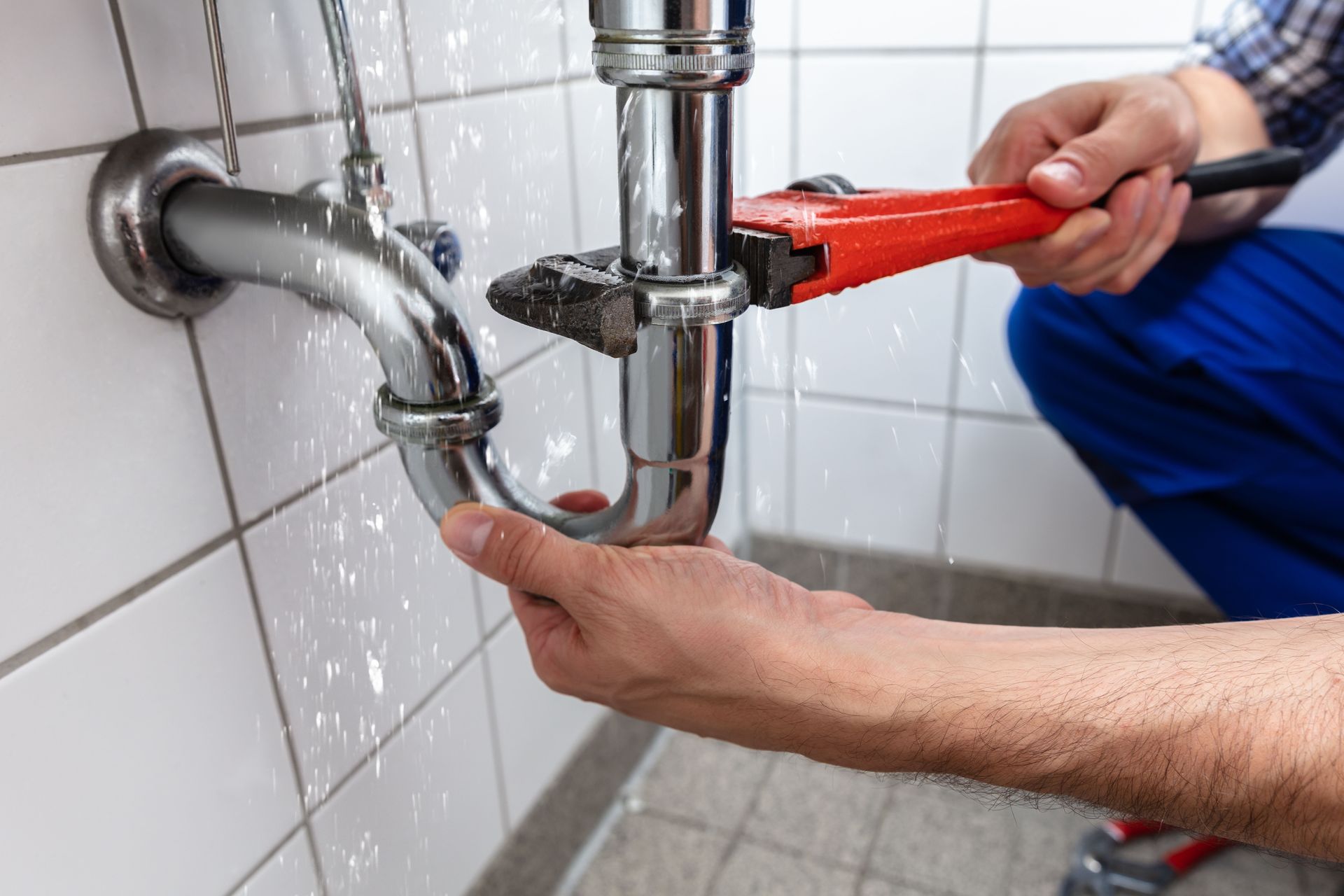
Even though a leak may appear harmless, its hidden costs accumulate quickly. According to Jobber, a single faucet leak can waste roughly 3,000 gallons of water in one year. This fact highlights why addressing leaks promptly is crucial for both economic and environmental reasons. From the drain of your wallet to the drain of precious natural resources, the consequences of neglect are far-reaching.
Reduce Financial Strain from a Leaky Faucet
Even a minor faucet drip can directly affect your finances. The constant trickle adds up over time, leading to unexpectedly high water bills. Urban households with metered water may experience especially noticeable spikes, making it essential to repair leaks as soon as they appear. Beyond everyday bills, cumulative water waste contributes to broader economic pressures on municipal water systems.
Persistent leaks also increase the likelihood of costly plumbing repairs. Small issues like worn washers or loose fittings can escalate into larger problems, causing damage to pipes and fixtures. Early detection and maintenance are crucial in preventing expensive repairs and reducing long-term financial burdens. Proactive attention allows homeowners to address problems before they spiral out of control.
Leaks can also result in property damage that extends beyond the plumbing system. Continuous water exposure may seep into floors, walls, and foundations, leading to costly renovations and potential mold growth. Such damage is often far more expensive to remediate than simply repairing the leak itself. Timely action safeguards both the home’s structural integrity and the health of its occupants.
Ignoring faucet leaks doesn’t just affect individual households—it can have wider economic consequences. When water is wasted on a community scale, it puts extra pressure on local water supply infrastructures, sometimes leading to higher rates or additional taxes. Neighborhoods that actively manage water use help reduce these communal financial strains, benefiting all residents collectively.
Protect the Environment from Unnecessary Water Waste
Water scarcity is an escalating global concern, and leaks play a surprisingly significant role. Even one leak wasting thousands of gallons annually contributes to regional shortages, particularly in areas where clean water is limited. Across millions of households, this type of waste is staggering, underscoring the importance of proactive water management. By repairing leaks, homeowners participate in global conservation efforts and preserve vital water resources for future generations.
Leaks also increase energy consumption. Treating and delivering water requires significant electricity, and when faucets waste water, treatment facilities must work harder. Reducing leaks directly decreases energy usage, helping lower carbon footprints while supporting sustainability goals. Conservation at home thus aligns with broader environmental and energy-saving objectives.
Unchecked leaks contribute to pollution in subtle but meaningful ways. Excessive energy use for water treatment emits greenhouse gases, while faulty plumbing can introduce contaminants into water systems. Repairing leaks reduces these environmental impacts, promoting cleaner ecosystems. Addressing leaks is therefore not only about conserving water—it is a tangible step toward reducing pollution and combating climate change.
Leaky faucets can also disrupt local ecosystems. Wastewater runoff alters habitats, and overuse of groundwater reduces the water available for plants and wildlife. By fixing leaks, homeowners help maintain natural balances, protecting biodiversity and ensuring that local flora and fauna thrive. Small actions in individual households thus ripple outward to support healthier environments.
Identify Common Causes of a Leaky Faucet
Understanding why faucets leak helps homeowners address the problem effectively. Worn washers and O-rings are the most common culprits. These small rubber components degrade over time, failing to seal the faucet properly. Regular inspection and replacement of these parts can prevent leaks before they escalate into larger issues.
Corroded valve seats are another frequent cause. Mineral buildup and rust prevent proper sealing, allowing water to seep even when faucets are off. Homeowners in hard water areas should watch for corrosion and consider professional maintenance when needed. Early intervention can save both water and money.
Loose parts also contribute to faucet leaks. Over time, nuts, bolts, and fittings may loosen, creating gaps that allow water to escape. Routine tightening and maintenance of components can prevent this type of leak. Even small, preventative measures can substantially extend the life of a faucet.
Improper installation is an often-overlooked cause of persistent leaks. Faucets that are not correctly fitted or sealed from the start are prone to early failure. Hiring experienced professionals ensures proper installation and minimizes leakage risk. Likewise, age and general wear reduce the effectiveness of seals and gaskets over time. Older fixtures may benefit more from replacement than repair, especially when considering long-term water conservation.
Detect and Repair Leaky Faucets Effectively
Early detection is key to mitigating the effects of a leaky faucet. Dripping sounds, unexplained water accumulation, and rising bills all indicate a leak. Mineral buildup or corrosion may also signal problems. Regular observation and monitoring help homeowners catch issues before they escalate, ensuring timely professional intervention.
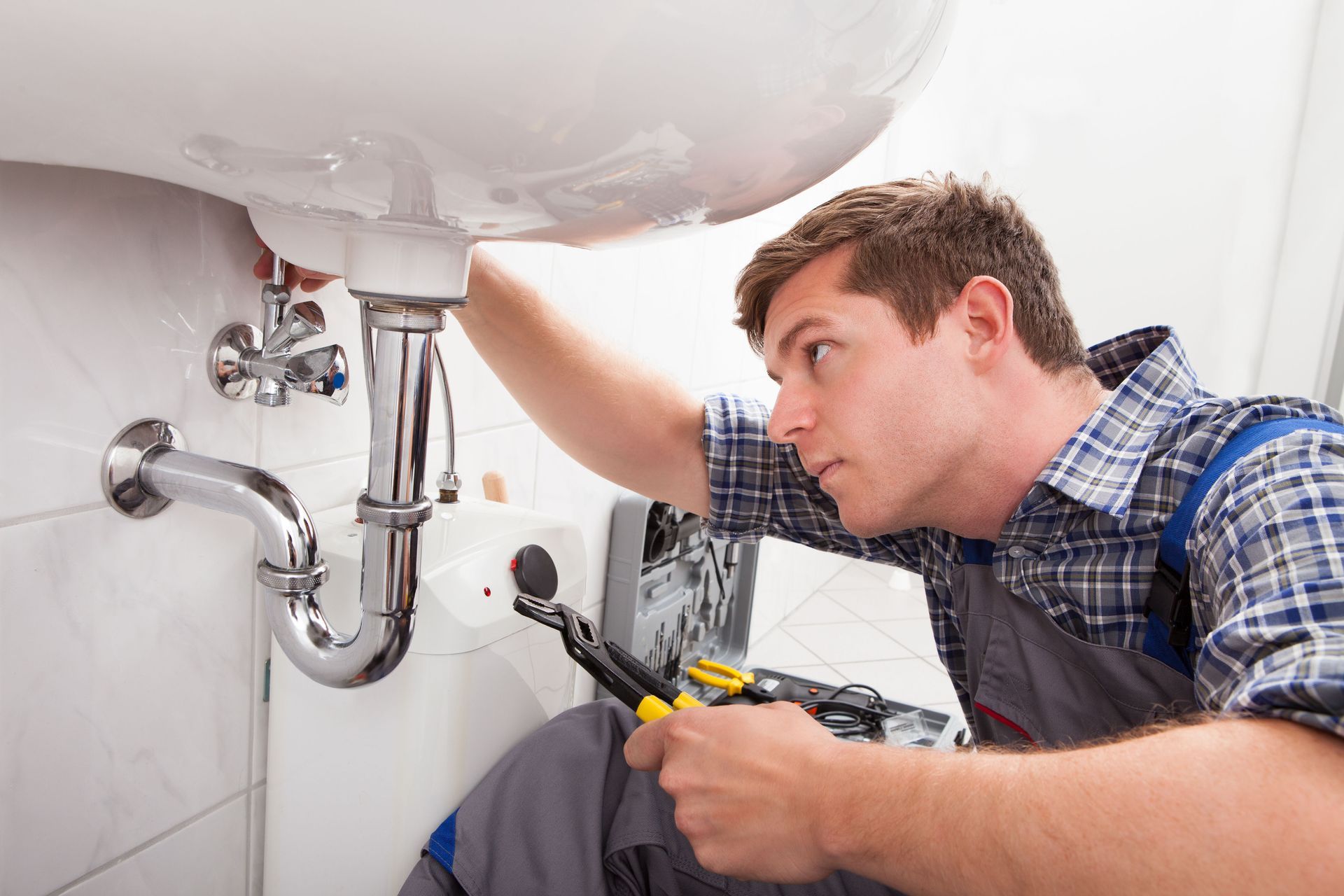
Persistent leaks or recurrent issues should always be evaluated by a licensed plumber. Professionals have the knowledge, tools, and experience to address complex faucet problems, ensuring a thorough and lasting repair. Attempting repairs without proper expertise can worsen leaks or create additional damage, increasing future costs.
Consistent professional maintenance prevents leaks and prolongs faucet life. Routine inspections, cleaning, and timely servicing of components help forestall common plumbing issues. Implementing regular maintenance with the assistance of skilled plumbers promotes efficient water use and reduces the risk of costly damage.
Having the right professional guidance ensures preparedness for any faucet repair needs. Licensed plumbers can provide reliable solutions, recommend durable components, and implement advanced technologies to prevent future leaks. Trusting experts guarantees effective water management and protects both household finances and environmental resources.
Follow Policies and Leverage Innovations to Conserve Water
Local and national water policies emphasize conservation, encouraging efficient usage and protection of resources. Regulations often include guidelines for plumbing efficiency and incentives for installing water-saving devices. Homeowners aligned with these policies contribute to both personal savings and environmental stewardship.
Many governments offer rebates or discounts for eco-friendly fixtures, such as low-flow faucets and smart systems. These incentives make sustainable choices more attainable, fostering long-term adoption of water-efficient practices.
Communities have also initiated programs like rainwater harvesting, water audits, and educational workshops to encourage conservation. Collaboration and shared responsibility amplify the impact of individual efforts, creating meaningful water savings at the local level.
Innovations in plumbing technology enhance water management. Smart faucets, monitoring systems, durable materials, automatic shut-off valves, and mobile apps provide real-time leak detection and prevention. These tools reduce waste, save energy, and simplify conservation efforts, reflecting the integration of technology and sustainability in modern households.
A leaky faucet may seem minor, but its financial and environmental consequences are substantial. From wasted water and higher utility bills to potential property damage and ecological disruption, neglecting leaks is costly. Proactive detection, timely repairs, and embracing modern technology mitigate these risks. By taking responsibility and acting as conscientious water stewards, we can protect resources and the planet. At Rapid Plumbing, we prioritize helping homeowners address leaky faucets quickly and efficiently, and we encourage you to take action with us to safeguard your home and the environment.